
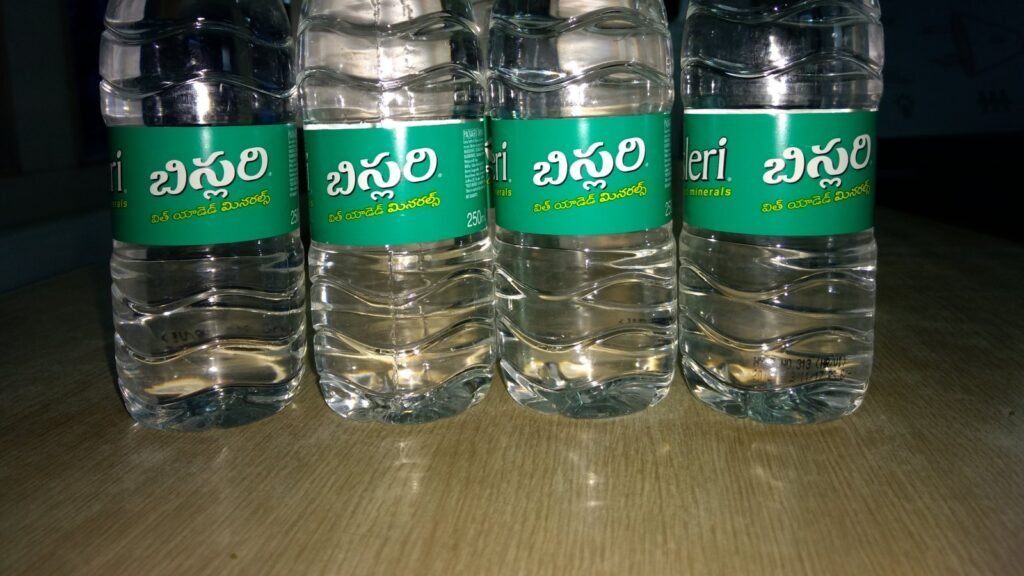
India’s food regulator, the Food Safety and Standards Authority of India (FSSAI), has sanctioned prosecution proceedings against Bisleri International Pvt Ltd after a water sample from a September 2025 batch was classed “unsafe” under the Food Safety and Standards Act, 2006, The News Minute reported on Nov. 23, 2026. The finding covers one sample, not every Bisleri product, and the reports we read mention no recall. Bisleri disputes how the case has been handled. Our earlier report on mercury in fairness creams covered another consumer-product safety case in India.
The essentials
- FSSAI has sanctioned prosecution of Bisleri International under the Food Safety and Standards Act, 2006, after a sample was classed unsafe, The News Minute reported on Nov. 23, 2026.
- A first test found bromate above the 10 micrograms per litre limit, and a referral laboratory then detected polycyclic aromatic hydrocarbons (PAHs) and upheld the “unsafe” classification.
- Bisleri says five of six samples met the standards, the sixth had 12 micrograms of bromate per litre, and it received no further notice after submitting its results.
What did FSSAI find in the Bisleri sample?
FSSAI found that one Bisleri water sample did not meet the legal standard. The sample was first reported to contain bromate above the prescribed limit of 10 micrograms per litre. After Bisleri appealed, a referral food laboratory detected polycyclic aromatic hydrocarbons, known as PAHs, and upheld the “unsafe” classification, The News Minute reported.
The report gives no PAH measurements or legal limits and does not say which compounds were found. It also does not say whether the PAH result came from the same sample as the bromate result. The regulator’s lab report has not been published in the coverage we reviewed.
The regulator’s classification is “unsafe”, a legal category under the food safety law. None of the coverage we could read says FSSAI used the phrase “unfit for drinking”, and none reports a surprise inspection or a wider probe.
What does Bisleri say?
Bisleri says the case relates to a September 2025 batch from its Goa facility. FSSAI officials collected six regulatory samples from the plant on Sept. 30, 2025, the company said. Five met all the standards, and the sixth contained bromate at 12 micrograms per litre against the limit of 10, according to the company’s account as reported.
The company also said it had received no further communication from the regulator after submitting its test results, and it assumed the matter was closed. It said it received no notice by email or in hard copy and could not find the notice on the FSSAI website, The News Minute reported. Bisleri said drinking water safety remains a priority and that it will keep cooperating with FSSAI through the regulatory process. These points are the company’s claims, and the report does not include a response from FSSAI.
What are bromate and PAHs?
Bromate is a chemical that can form in drinking water as a by-product of some disinfection methods. The International Agency for Research on Cancer classifies bromate as possibly carcinogenic to humans. That is a lower tier than a proven cause of cancer, and it reflects hazard rather than the risk from a single bottle.
PAHs are a large group of compounds produced when organic material burns incompletely. Some are carcinogenic and some are not, so the health meaning of a PAH finding depends on which compounds are present and at what level. Neither detail has been reported.
What does this mean for people who buy bottled water?
The reports describe action against a company over one sample from one batch, and not a ban or recall of the brand. FSSAI has not announced a recall, and there is no public notice listing affected bottles. Readers who want certainty should wait for FSSAI to publish the order or for the company to share the results of its retests.
What is still unclear?
- **PAH levels:** no values, limits or compound names have been published.
- **Same sample or not:** it is unclear whether the bromate and PAH findings relate to the same sample.
- **The laboratories:** neither lab is named in the coverage we read.
- **The notice:** Bisleri says it never received a notice, and FSSAI has not responded in the reports we reviewed.
- **Where the case goes next:** the report names no court or authority handling the prosecution.
We will update this story when FSSAI or Bisleri releases further documents.
This story is based on The News Minute’s report of Nov. 23, 2026. Deccan Herald and Business Standard also reported the case, but their pages could not be opened by our team, so we have not relied on them. Bisleri’s statements are the company’s own claims as reported.