
Finance
Markets, stocks, forex, the economy and personal finance.
-

Lufthansa to cut 1,000 jobs in Frankfurt and Munich after €180M loss
A letter to staff says the core airline lost €180 million at the adjusted operating level in nine months, even as the wider Lufthansa Group stayed…
-

Indian households now pay ₹43 of every ₹100 spent on health, down from ₹64
The National Health Accounts 2023-24 show households paying 42.7% of health spending directly, down from 64.2% a decade ago, as government spending on health tripled.
-

Anthropic IPO makes thousands of employees multimillionaires
Estimates say about 5,100 staff hold stakes worth $1 million or more after the $83 listing, and around 600 hold $100 million or more. They can…
-

antimattr builds voice AI earbuds and a ring for noisy places
The Y Combinator startup says its earbuds cut word errors from about 30% to under 5% in loud rooms, and that its first batch of hardware…
-

Everful raises $48.5M to link small retailers with Chinese factories
The San Francisco and Singapore startup says it ships more than 5 million items a month to buyers in over 60 countries and is on track…
-

Gold price drop: India’s 22K rate falls 9.6% in a week on Fed hike bets
Spot gold hit its lowest since September 2025 as bets on more Fed rate rises lifted the dollar. Dubai’s 24K fell below Dh450, and Indian city…
-
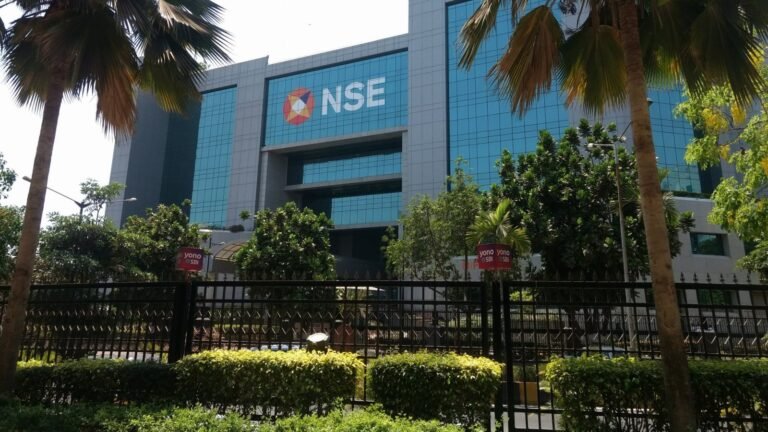
Sensex jumps 990 points and Nifty tops 25,500 as auto stocks lead rebound
India’s Sensex rose 989.94 points to 83,021.75 on Nov. 19 and the Nifty 50 closed at 25,514.30, as auto, bank and consumer shares rallied and Nifty…
-

KFC closing stores: franchisee Tasty Chick’n files for bankruptcy
Tasty Chick’n, which runs 84 KFC and KFC/Taco Bell restaurants in 10 US states, filed for Chapter 11 after sales fell and costs rose. Dozens of…
-

Sensex falls 500 points and Nifty ends at 25,228 as investors book profits
India’s Sensex fell 500.38 points to 82,031.81 on Nov. 18 and the Nifty 50 lost 159.5 points to 25,228, as investors took profits after a two-day…
-

SEC opens Nvidia probe over disclosures after Jensen Huang exit, WSJ says
The SEC has opened a civil investigation into whether Nvidia misled investors, The Wall Street Journal reported. Neither the regulator nor Nvidia has confirmed it.
What to know about Finance
Nowbrief Finance explains what is moving money around the world: stock markets, interest rates, currencies, commodities and the companies behind the headlines. We report central bank decisions, economic data and company results with the figures and sources that matter, and explain what they mean for investors, savers and businesses in plain English.
Markets are connected. A US jobs report can shift expectations for Federal Reserve interest rates, which moves the dollar, bond yields, gold and share prices, and even cryptocurrencies, within minutes. Our coverage follows those links, so a story about inflation also tells you what it means for your savings or your loan.
Read Markets for daily moves across shares, bonds and commodities, Stocks for earnings and individual companies, Commodities for gold and oil, Forex for the US dollar and currency pairs, Economy for inflation, jobs and central banks, Business for deals, banks and fintech, Startups for founders and funding, and Personal Finance for saving and investing basics. New to investing? Start with our guide, How the stock market works. For the benchmark US index, see our S&P 500 page.
Our coverage is general information, not financial advice; please read our disclaimer. Our editors do not own shares in the companies they cover.
Frequently asked questions
What moves the stock market?
Share prices move on expectations about company profits and interest rates. Earnings reports, central bank decisions, inflation and jobs data, and big political events such as elections or tariffs can all shift those expectations. In the short term, investor sentiment and large fund flows can move prices further than the news alone would suggest.
What is the difference between the stock market and the economy?
The economy is the total of goods and services a country produces, measured by GDP, jobs and spending. The stock market reflects investors’ expectations for company profits, often months ahead. The two usually move in the same direction over time but can diverge sharply, because markets react before economic data does.
Why do interest rates matter for investors?
Interest rates set the cost of borrowing and the return on safe savings. When central banks raise rates, loans and mortgages get more expensive, bonds pay more and shares can look less attractive. When rates fall, the opposite tends to happen. That is why markets watch every Federal Reserve and Reserve Bank of India decision.
What is inflation?
Inflation is the rate at which prices for goods and services rise over time, reducing what money can buy. Most central banks aim for low, steady inflation: the US Federal Reserve targets 2%, while the Reserve Bank of India targets 4% within a band of 2% to 6%. See our inflation glossary entry.
Is Nowbrief's finance coverage financial advice?
No. Our stories explain what happened in markets and why, with figures from named sources. We do not tell readers to buy or sell anything and do not publish our own price targets. Please speak to a licensed adviser before making financial decisions.