
Science
Science, health and climate.
-

Kerala teen’s kidney disease linked to mercury in fairness cream
Doctors say a 17-year-old from Malappuram developed membranous nephropathy after a year of using an Instagram-promoted cream that tested at 12,500 ppm mercury. The state child…
-
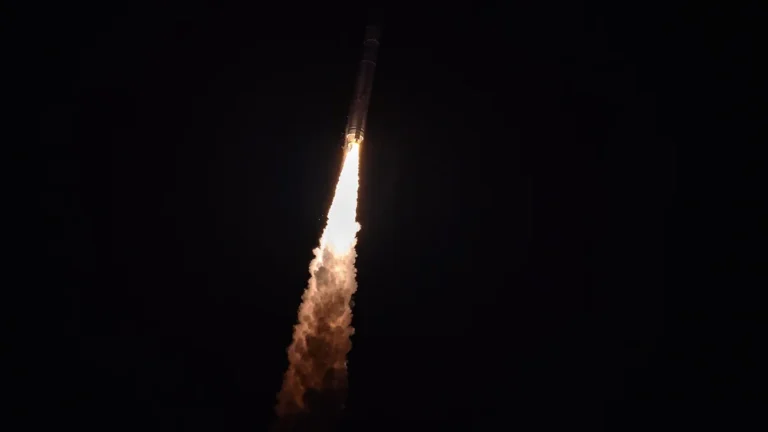
Vulcan rocket failure destroys 40 Amazon Leo satellites in first launch
ULA’s Vulcan rocket suffered an anomaly about 10 minutes into its Nov. 15, 2026 flight and failed to reach orbit, losing 40 Amazon Leo satellites. ULA…
-

Total solar eclipse Aug. 2, 2027: where and when to see it
Up to six minutes of daytime darkness, across Spain, North Africa and the Middle East. Where to stand, how long it lasts and how to watch…
What to know about Science
Nowbrief Science covers research, health and climate: new studies, medical advances, space missions and the changing climate. We report findings from peer-reviewed journals and official bodies such as the World Health Organization and NASA, explain what a study actually shows, and say clearly when results are early or limited.
Science stories link to the original paper or data wherever possible. For energy and climate markets, see Commodities; for how technology companies use new research, see Tech.
Frequently asked questions
What is peer review?
Peer review is the process in which independent experts check a scientific study before a journal publishes it. Reviewers look for flaws in the methods, data and conclusions. It reduces errors but does not guarantee a finding is right, which is why results are stronger when other teams repeat them.
What causes climate change?
The main cause of current climate change is the burning of coal, oil and gas, which releases carbon dioxide and other greenhouse gases that trap heat in the atmosphere. The world has warmed by about 1.3C since pre-industrial times, according to scientific assessments, bringing more extreme heat, floods and droughts.
What is the Paris Agreement?
The Paris Agreement is a 2015 international climate treaty under which countries aim to keep global warming well below 2C above pre-industrial levels, and to pursue efforts to limit it to 1.5C. Each country sets its own targets, called nationally determined contributions, and updates them every five years.
How does Nowbrief report health studies?
We name the study, the journal or body that published it and how many people it involved, and we say whether it was done in people, animals or a laboratory. We avoid presenting early results as cures. Nothing on Nowbrief is medical advice; speak to a doctor about your own health.