
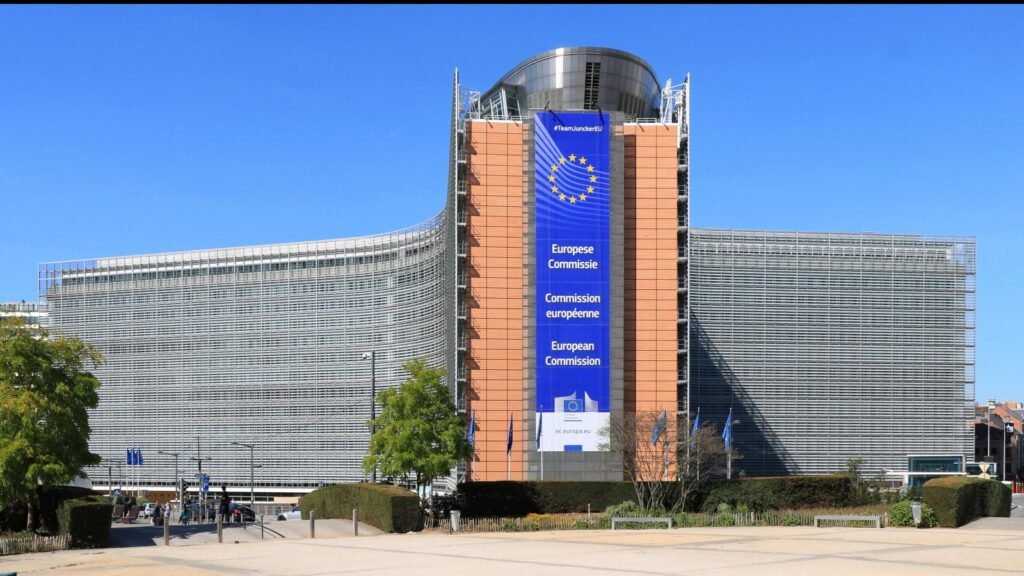
The European Union and Indonesia signed a trade agreement and an investment protection agreement in Brussels on Saturday, Nov. 21, 2026, after about 10 years of talks, according to Indonesian and regional media. It follows a week in which small-business trade with Asia was already in the news, as Everful raised $48.5M to link retailers with Chinese factories.
The essentials
- Indonesian Trade Minister Budi Santoso signed the Indonesia-EU Comprehensive Economic Partnership Agreement (IEU-CEPA) with EU Trade Commissioner Maroš Šefčovič, and economy minister Airlangga Hartarto signed the investment protection agreement, ANTARA reported.
- Indonesia says 90.4% of EU tariff lines will go to zero for Indonesian goods once the deal takes effect, with most of the rest phased out over three to 15 years.
- Both sides must still ratify the deal, and it is expected to take effect in 2027, with the European Parliament’s consent still needed.
What did the two sides sign?
The Indonesia-EU Comprehensive Economic Partnership Agreement (IEU-CEPA) covers trade, and the Investment Protection Agreement (IPA) covers the legal protection of investors. Santoso signed the trade text alongside Šefčovič, while Hartarto and Šefčovič signed the investment document and a commitment on carrying out the trade deal, ANTARA reported. The EU’s Council had approved the signing on Nov. 18, according to a Council press release.
Indonesian President Prabowo Subianto and European Commission President Ursula von der Leyen spoke by phone before the ceremony, ANTARA reported. They discussed speeding up implementation. The talks took about 10 years and roughly 19 rounds, and the EU and Indonesia announced the end of negotiations earlier, after a political agreement between the two leaders on July 13, 2025.
What does it change for trade?
The two sides describe the tariff cuts differently, and the figures vary by source. We have set out the main ones below.
| Item | Figure | Source |
|---|---|---|
| EU tariff lines at zero for Indonesian goods on entry into force | 90.4% | ANTARA, Indonesian trade ministry |
| Further EU tariff lines phased out over 3 to 15 years | 7.92% (another ANTARA report says 8.37%) | ANTARA |
| Total EU tariff lines with preferential access | 98.35% | ANTARA, Santoso |
| EU exports to Indonesia that lose tariffs | More than 98% | Business Recorder |
| Annual duty savings for EU exporters | About €600 million | European Commission |
For Indonesia, the gains are in palm oil and its derivatives, rubber, footwear, textiles, fishery products and furniture, Santoso said. The agreement also covers services, investment, intellectual property, government procurement, competition and sustainable development.
For the EU, the Commission said the deal will cut tariffs on agri-food products such as dairy, meat, fruit and vegetables and processed foods, and on cars, chemicals and machinery. It protects 221 EU and 72 Indonesian geographical indications, and keeps existing tariffs on sensitive products such as rice, sugar and fresh bananas. The European Commission’s own press release says the deal also aims to secure supplies of critical raw materials for Europe’s clean-tech and steel industries.
What are the sticking points?
Two issues could slow approval. The first is palm oil. The EU’s deforestation rules are due to apply from Dec. 30, 2026, and Indonesian producers will watch whether Brussels treats their supply chains as compliant, according to The European Post, which also noted that any new friction could give sceptical governments a reason to slow the process.
The second is nickel. Indonesia has built its industrial policy around keeping raw nickel at home to attract battery and steel investors, and a European partner that wants secure raw materials has to live with that choice, The European Post said. It described the text as a bargain between market access for European firms and room for Jakarta to climb its own value chain. The Parliament is the less predictable stage, because MEPs have used consent votes to press for stronger sustainability language in earlier trade deals.
How big is the trade at stake?
EU goods exports to Indonesia were worth €9.8 billion in 2024, while imports from Indonesia were €17.5 billion, so the EU buys more from Indonesia than it sells there, according to The European Post, citing the Commission. The two sides describe the deal as opening a trade area of more than 700 million consumers.
When does it take effect?
Not yet. The European Parliament must give its consent, and Indonesia must complete its own approval, before the agreement takes effect in 2027. Hartarto said the next step is making sure ratification and implementing rules are finished on time, and the government will work with businesses on rules so the deal “delivers tangible benefits on the ground.”
Tariff shares come from the Indonesian government, the European Commission and press reports, and they use different bases. The final text can change in ratification. This article is for information only.
Sources
- Indonesia, EU seal IEU-CEPA to boost trade cooperation (ANTARA News)
- IEU-CEPA to expand Indonesia’s flagship exports: Trade Minister (ANTARA News)
- EU, Indonesia officially sign ‘ambitious’ trade deal (Business Recorder)
- EU and Indonesia conclude negotiations on IEU CEPA (European External Action Service)
- Indonesia CEPA 2026 needs Council approval before Parliament votes (The European Post)