
Key points
- The Megaspeed Nvidia case moved on Nov 23: the Commerce Department added Singapore-based Megaspeed and six related companies to its Entity List over concerns that Nvidia chips were diverted to China.
- US suppliers now need a license to sell the seven companies anything covered by US export rules, and requests face a “presumption of denial.”
- One of the seven is Apex Enterprise Solutions, Alibaba’s Singapore unit. Alibaba says it never diverted restricted chips and will fight the listing.
Megaspeed rents out computing power built on Nvidia chips, and the US government has been looking at it since 2024.
Who is on the Megaspeed list
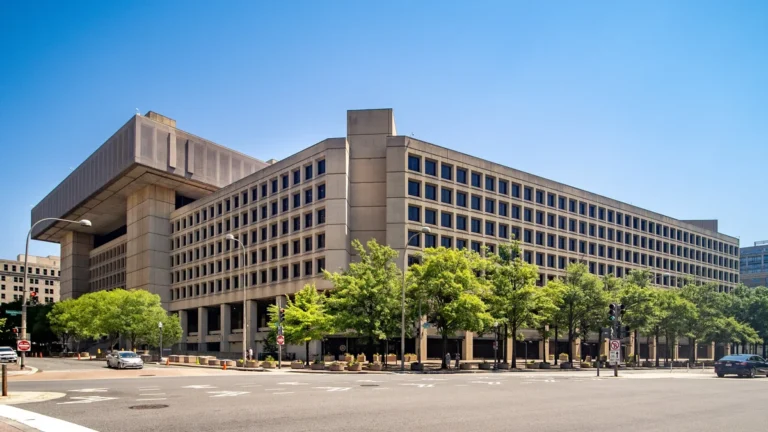
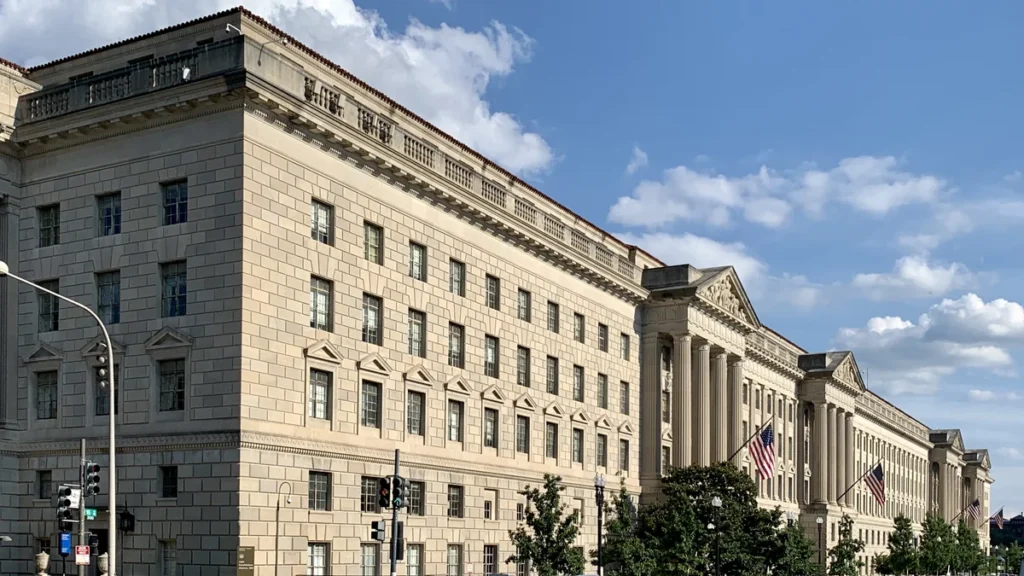
The rule was posted for public inspection on Monday and is due in the Federal Register on Wednesday, Nov 25. Seven companies were added. Exports, re-exports and in-country transfers of items covered by US export rules now need prior Commerce approval, and applications face a presumption of denial. Three are in Singapore: Megaspeed International, Apex Enterprise Solutions and Swiftdata. Three are in Malaysia: Speedmatrix, PT Megaspeed International and MSFusion. One, Megaspeed (Thailand), is in Thailand.
Apex holds a security interest in Speedmatrix, according to a report on the listing and the Federal Register notice. Speedmatrix had about $2.14 billion in assets at the end of 2024. Alibaba said: “Apex has never diverted advanced computing chips subject to US export restrictions.” It added: “We will seek all legal avenues to protect our rights and reputation.”
Timeline of the Megaspeed probe
Commerce opened an inquiry in 2024 into possible export violations, Fox Business reported. In May 2025 investigators asked Nvidia for records of direct and indirect sales to the firm. A month later Nvidia put the company on its “no sell” list, and Commerce agents working with Singaporean police did an on-site check and interviewed Alice Huang, then Megaspeed’s CEO.
On Nov 16 Commerce and the Justice Department issued a joint statement, and the Justice Department leads a criminal investigation. The statement said: “Sensitive technologies like semiconductors are among the most valuable and strategic assets of the U.S. economy.” The firm’s current CEO, James Tan Yong Pong, said on Nov 12 that the company “takes its compliance obligations under U.S. export control laws extremely seriously.”
Nvidia’s website still lists it as a preferred cloud partner, Fox Business noted.
The link to Nvidia’s CEO story
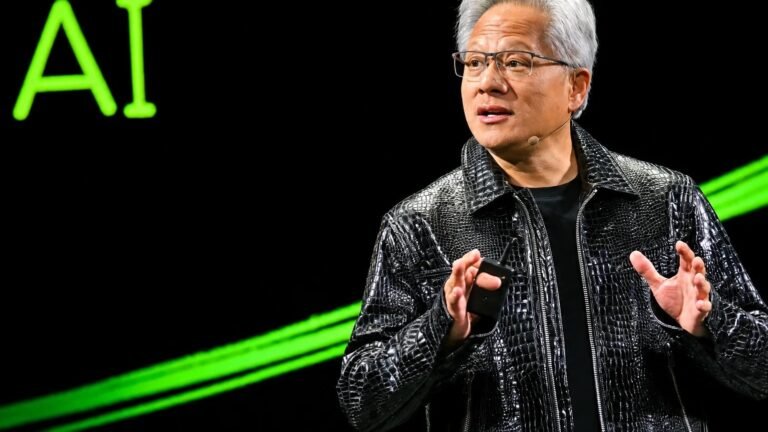
The listing landed on the same day Nvidia brought Jensen Huang back as CEO, which we reported earlier. The timing matters because both stories turn on the same question: how closely US export rules are being enforced against the firms that rent out Nvidia chips. Fox Business describes Alice Huang as a former executive alleged to be a spy for Beijing and reports that she had a relationship with Jensen Huang. The outlet presents that as reporting, not established fact, and neither side has been shown to have broken an export law.
Singapore’s response and Congress
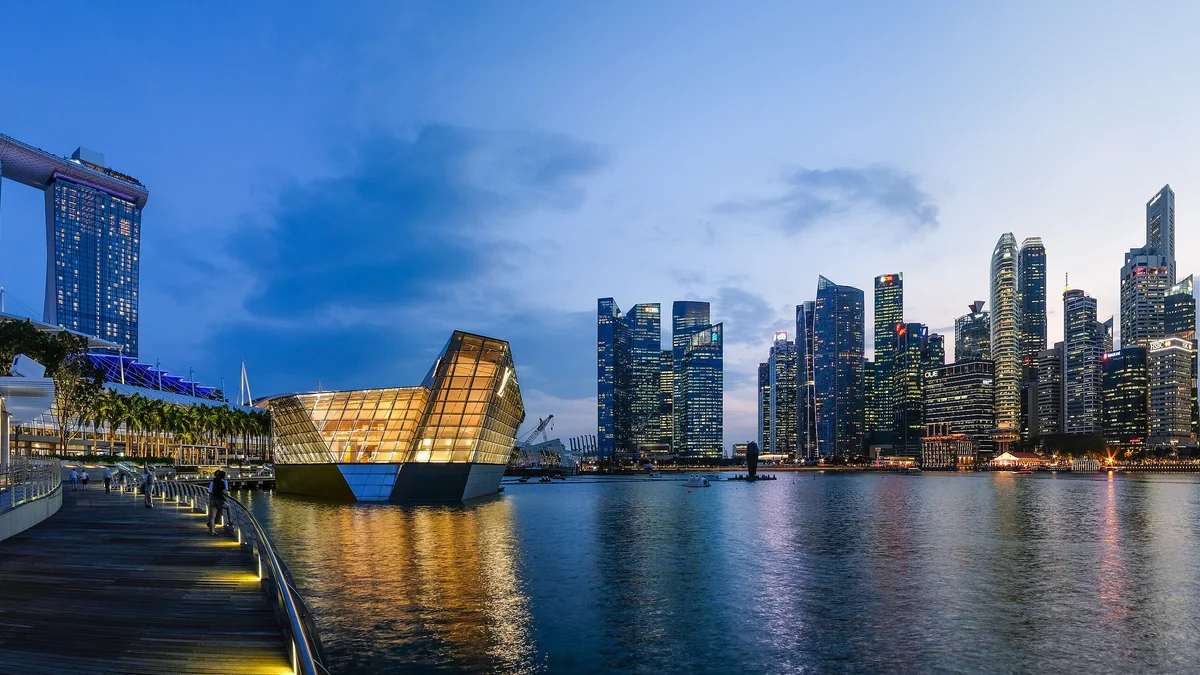
Singapore’s prime minister, Lawrence Wong, said his government will keep investigating Megaspeed. “We do not want Singapore to be used and abused as a conduit by companies to circumvent America’s export controls,” he said.
Sen. Maria Cantwell wants a wider inquiry into export enforcement, saying the listing “does not absolve Commerce from answering to Congress.”
What the listing does is simple, and it takes effect for US suppliers right away: it stops US firms selling to these seven companies unless the government says yes. Alibaba’s Hong Kong shares fell 0.5% on Tuesday. The legal test now is whether the Justice Department’s criminal case produces charges.