
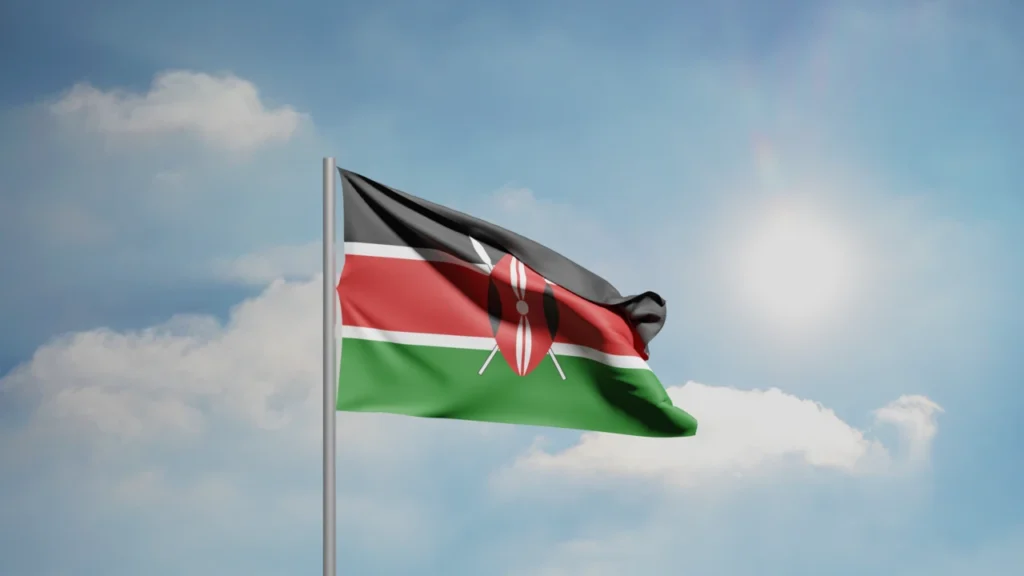
Kenya’s next general election is set for Tuesday, Aug. 10, 2027, the Independent Electoral and Boundaries Commission (IEBC) confirmed. On one day, voters will choose a president, governors, senators, members of the National Assembly, county women representatives and county assembly members. The presidential race is the one the region will watch, and its outcome may hinge on a question that has no answer yet: will the opposition field one candidate or several?
A narrow mandate to defend
President William Ruto of the United Democratic Alliance (UDA) is seeking a second term, with Deputy President Kithure Kindiki as his running mate. He won in 2022 with 50.49% of the vote to Raila Odinga’s 48.85%, a margin of under two points, on a turnout of 64.77%. The Supreme Court upheld that result on Sept. 5, 2022.
Kenya’s rules reward broad coalitions. To win in the first round, a candidate needs more than half of all valid votes and at least 25% in at least 24 of the 47 counties. A split opposition makes it easier for an incumbent to clear both bars; a united one can force a runoff.
An opposition without its anchor
For three decades, opposition politics in Kenya revolved around Raila Odinga. His death in October 2025 removed that anchor. His Orange Democratic Movement (ODM), now led by his brother Oburu Odinga, had already signed a cooperation agreement with Ruto’s UDA in March 2025, and where its voters go in 2027 is one of the biggest open questions in the race.
The rest of the opposition remains fragmented. Former vice-president Kalonzo Musyoka, former deputy president Rigathi Gachagua and former interior minister Fred Matiang’i are all seen as potential challengers, and talks over a joint ticket are continuing. None has been formally nominated.
The calendar that forces a decision
The IEBC’s gazetted timetable sets the pace, Kenyans.co.ke reported. Party primaries must be finished by early May 2027, candidate nominations open on May 29 (closing on June 11 for the presidency), and campaigning runs from May 29 to Aug. 7. The vote will use the existing 290 constituencies and 1,450 wards.
Our read
The advantages of incumbency and a fragmented field give Ruto a head start. But the 2022 result shows how little room there is: a united opposition, carrying much of Odinga’s old base, would make a runoff a real possibility. The months before nominations open in May are when that choice will be made, and they matter more than any poll published this year.
Follow the race in our elections coverage and world news, and see official notices on the IEBC website.