
Key points
- The Supreme Court asylum case over Trump’s border proclamation was accepted on Friday, Nov. 13, 2026, and a decision is anticipated by the end of June or early July.
- The proclamation, which was issued on Trump’s first day of his return to the presidency, restricted the entry of migrants who cross between the ports of entry and denied their application for asylum. Two federal courts have found it unlawful.
- The government is still enforcing the policy while the case is in process, as the D.C. Circuit has stayed its own ruling until the court decides.
Table of Contents
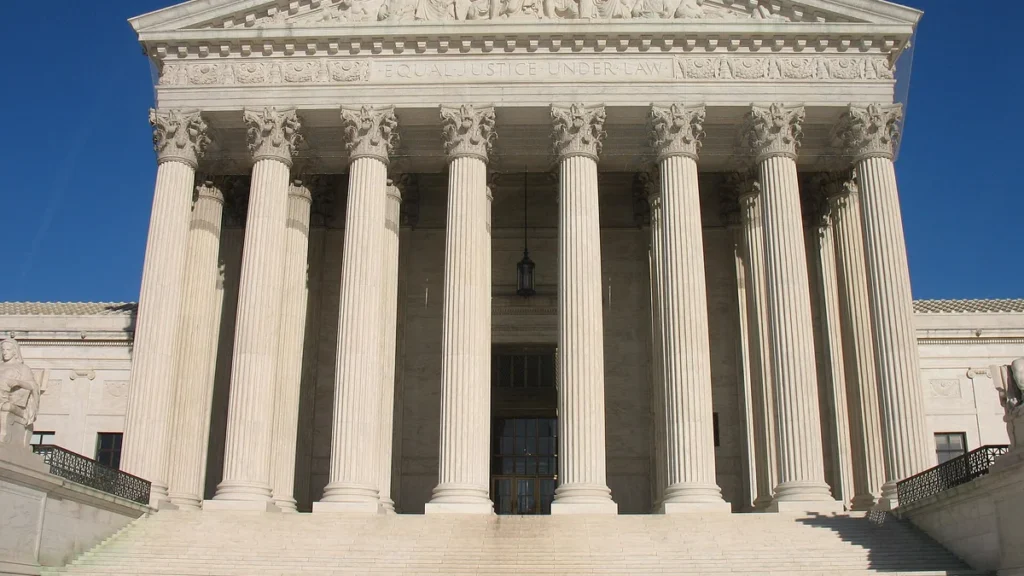
On Friday the Supreme Court said it will take up the dispute over President Trump’s directive suspending access to the asylum system for migrants crossing the southern border illegally, CBS News reported. We track the immigration-related cases at our politics desk.
What the Supreme Court asylum case is about
Trump issued the proclamation on his first day back at the White House. It claimed there is an “invasion” at the southern border, suspended entry of migrants crossing between ports of entry, and barred them from seeking asylum and other protections that would let them stay in the United States.
The Department of Homeland Security issued guidance to carry it out, and immigration authorities have used it to summarily remove migrants without letting them apply for asylum.
How the lower courts ruled
Three nonprofit organizations and 13 individuals launched a class-action suit against the proclamation and guidance document in February 2025. District Judge Randolph Moss in Washington set aside the asylum restrictions and found them unlawful. He certified a class of everyone covered by the proclamation and blocked enforcement against them.
Judge Moss ruled that neither the Constitution nor immigration laws authorized the administration to unilaterally alter laws and procedures created by Congress. Judge Moss further ruled that the immigration law did not authorize the president to unilaterally restrict the non-citizen’s privilege of seeking asylum and other legal means of protection.
In April, the D.C. Circuit Court of Appeals upheld the lower court’s decision by a split vote. The two judges who agreed with Judge Moss ruled that the president lacks the power to suspend the right to apply for asylum or to deport migrants under the new summary removal proceedings.
Why the policy is still running
The authorities have continued implementing this policy. As for the case at issue, the D.C. Circuit stopped its decision on the matter until the final hearing is conducted at the Supreme Court. In practice, migrants covered by the order are still being turned away while the case that began in February 2025 reaches the justices.
Supreme Court timeline
CBS reported that the Court is expected to decide the case by the end of June or early July. This will result in a decision at the end of the term and a policy regarding the border to remain in effect up until that time.
Other immigration cases this term
The justices are also evaluating the validity of deporting immigrants to third countries and the indefinite detention of immigrants who do not have access to bond hearings. The Supreme Court asylum case and the two others challenge the extent of presidential authority over immigration policy.
What the two sides argue
The administration says the proclamation lets it deny asylum to migrants covered by the order, and that it should not have to take applications that are bound to fail. The groups that sued say a president has no statutory authority to create new bars to asylum eligibility. That is as described in coverage of the filings, and the justices have not yet heard either side.
What this means
For people at the border, the Supreme Court asylum case changes nothing right away. The issue for the lawyers is very specific: could a president by proclamation deny access to asylum granted by Congress in a statute? The lower courts have said that he cannot, and in April two of three appeals judges agreed.
What to watch next
Look out for the schedule of the briefings, the date of oral arguments, and whether either party seeks modification of the stay of the policy.