
Tech
AI, big tech, gadgets and the internet.
-
Bessent says Nvidia H200 China policy holds after new remote-access curbs
Treasury Secretary Scott Bessent says no new limits on Nvidia chip sales to China are needed after Washington restricted remote access to advanced chips, while China…
-
NCIC database hack: FBI says nothing as Trump confirms the breach
The FBI’s National Crime Information Center, the database police use to check wanted persons and stolen vehicles, was hacked, and Trump confirmed it on Nov 21.…
-

Uber data breach: 149,346 drivers notified after Fireworks AI hack
Uber is notifying 149,346 people that hackers stole names, addresses, birth dates and license numbers from a vendor, Fireworks AI, using the vendor’s own credentials, so…
-
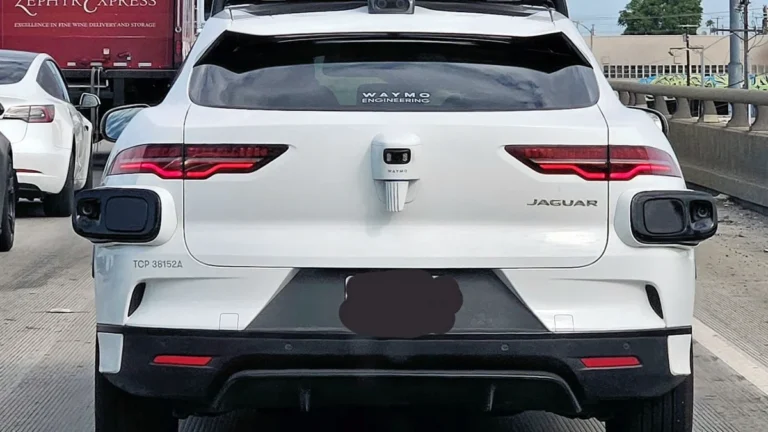
Waymo freeway ban: driverless taxis pulled from all US freeways
Waymo suspended driverless rides on every US freeway on Nov. 18, 2026, after California’s DMV cited an imminent hazard from cars entering construction zones. City street…
-

Salesforce starts new round of layoffs, three months after the last
Salesforce has begun another round of job cuts across several teams, Business Insider reported, citing internal Slack messages. The company has not said how many roles…
-

GTA 6 release time: when it unlocks in your time zone on Nov. 19
GTA 6 unlocks at midnight local time on Nov. 19 on PS5 and Xbox Series X|S, Rockstar says. In the US, PS5 players unlock with the…
-

Iraq Telegram ban: regulator gives the app 30 days to comply with law
Iraq’s media regulator blocked Telegram on Nov. 16, 2026, saying the operator ignored local law and illegal content, and gave the company 30 days to comply.…
-

GTA 6 release date: Nov. 19 launch, $79.99 price and preload explained
Grand Theft Auto VI launches Nov. 19, 2026 on PS5 and Xbox Series X|S at $79.99. Preload is open, Xbox One owners can stream it, and…
-

Anthropic IPO date is Nov. 19: $70 to $78 range, Nasdaq ticker ANT
Anthropic plans to price its IPO on Nov. 18, 2026 and start trading on Nasdaq as ANT on Nov. 19, selling 825 million shares at $70…
-

Meta fined €805 million in Italy over Facebook Android photo access
Italy’s data protection authority fined Meta Platforms Ireland €805 million on Nov. 14, 2026, over a Facebook Android feature that reached gallery photos, and ordered a…
What to know about Tech
Nowbrief Tech covers artificial intelligence, big tech, gadgets, cybersecurity and the policy that shapes them. We follow the companies building AI models, including OpenAI, Google, Anthropic and Meta, the chipmakers such as Nvidia that power them, and the governments writing new rules for the industry.
We explain what each launch or decision means in practice, separate real capability from hype, and report the risks, from job losses to data privacy. For tech companies’ share prices, see Stocks; for blockchain and digital assets, see Crypto.
Frequently asked questions
What is artificial intelligence?
Artificial intelligence is software that performs tasks that normally need human intelligence, such as understanding language, recognising images or making predictions. Today’s best-known AI systems, such as ChatGPT, Gemini and Claude, are large language models trained on vast amounts of text to generate answers and content.
What is a large language model?
A large language model, or LLM, is an AI system trained on huge amounts of text to predict the next word in a sequence. At very large scale, that simple task lets it answer questions, write, summarise and translate. LLMs can also make confident mistakes, so their answers need checking.
Why are Nvidia chips so important for AI?
Training and running large AI models needs thousands of specialised processors working together. Nvidia’s graphics processing units (GPUs) and the software built around them became the industry standard, making Nvidia one of the world’s most valuable companies. Rivals including AMD and the big cloud providers are building their own chips.
How is AI regulated?
Rules differ by region. The EU’s AI Act, which entered into force in 2024, bans some uses and sets obligations for high-risk systems, with requirements phasing in through 2027. The US relies mainly on existing laws and executive action, while China requires approval before AI services are offered to the public.