
Key points
- The Ebola outbreak from the Bundibugyo virus in the Democratic Republic of the Congo (DRC) is now the second-largest outbreak on record, with 11,021 cases and 5,358 deaths, according to the US Centers for Disease Control and Prevention, as of Nov. 8, 2026.
- As of Oct. 23, the health ministry of Kenya had identified nine cases and two deaths, all occurring in Nairobi, while Nigeria announced its first case on Oct. 20.
- The risk to the US general public is considered to be low, however, persons travelling to the US from the DRC must not have been in the country within the last 21 days.
Table of Contents
An Ebola outbreak in the Democratic Republic of the Congo is now the second-largest outbreak on record, according to the US Centers for Disease Control and Prevention.
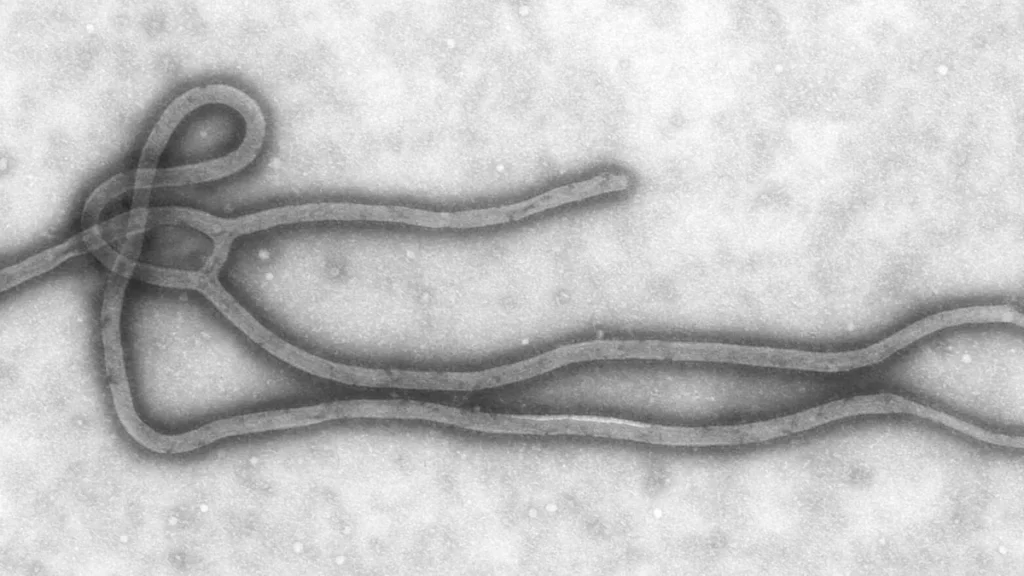
CDC has released an update on the current situation on Nov 11, 2026. The CDC says the outbreak is “spreading substantially faster than previous Ebola outbreaks.” The type of the virus is Bundibugyo, a form of Ebola virus. This is the 17th Ebola outbreak in the DRC.
Ebola outbreak numbers as of Nov. 8
There are 11,021 confirmed cases and 5,358 confirmed deaths in all the affected nations according to CDC. DRC has 10,990 confirmed cases and 5,354 confirmed deaths. Based on our calculations, 48.6% of the confirmed cases have died.
Other nations on the CDC table are smaller nations. Uganda has 20 confirmed cases with 2 deaths and 1 probable case with 1 probable death. Its last confirmed case has been discharged from the hospital on July 16. There has been one confirmed case of Ebola in France that has recovered and been discharged from hospital on July 4. Nigeria has one confirmed case without any death.
The agency notes that the scenario is fast changing and thus the numbers may be subjected to change. DRC health ministry does not count probable cases in its official reporting.
Speed against the 2018 outbreak
The CDC makes comparisons between the current outbreak and the previous major outbreak that occurred in the DRC. In terms of numbers, the current outbreak crossed the 1,000 cases mark within 40 days since the start of the response to the disease. For the 2018 outbreak, it took roughly 235 days to cross the 1,000 cases mark.
Some of the difficulties that CDC identifies include the following: The health infrastructure is inadequate. There is a conflict in the affected area, making contact tracing difficult. Since the workers have been subjected to violence as well as lack of protective gear, some of them get infected while taking care of their patients.
Kenya’s nine Ebola cases
There have been nine cases and two deaths confirmed by the Ministry of Health of Kenya as of Oct. 23, according to the CDC. The first confirmed case occurred on Oct. 6. A man travelled from the DRC through Uganda to Nairobi, where he was hospitalised and died in an isolation unit. He did not catch Ebola in Kenya.
The other cases were relatives or healthcare providers with close contact with him, and all were already in quarantine when they were diagnosed. Every case was in Nairobi. No community transmission has been observed by the Ministry of Health. Readers from East Africa may find additional world news in our world news section.
Travel limits set by the United States
According to the CDC, there have been no reports of cases in the U.S. connected to this Ebola virus outbreak. In addition, the CDC considers the risk for the U.S. population to be low. However, entry into the U.S. by individuals who have been in the DRC is temporarily restricted. No one who has visited the DRC during the 21-day period prior to their flight will be allowed to board an aircraft for the U.S.
Effective November 3 at 11:59 pm Eastern time, all passengers traveling to the U.S. by an international flight need to sign a declaration that they have not been in the DRC during the preceding 21 days. The CDC advises against all travel to Ituri and North Kivu provinces. About 500 CDC staff are working on the response, and more than 120 are deployed to the affected countries.