
India has overhauled its visa system, cutting the number of main categories from 13 to nine. The change was reported on Nov. 11, 2026 by Gulf News, citing NDTV. The new India visa rules also reduce sub-categories from 49 to 23 and trim the fields on application forms by 65% to 70%.
The overhaul is meant to draw more foreign visitors, Bloomberg reported.
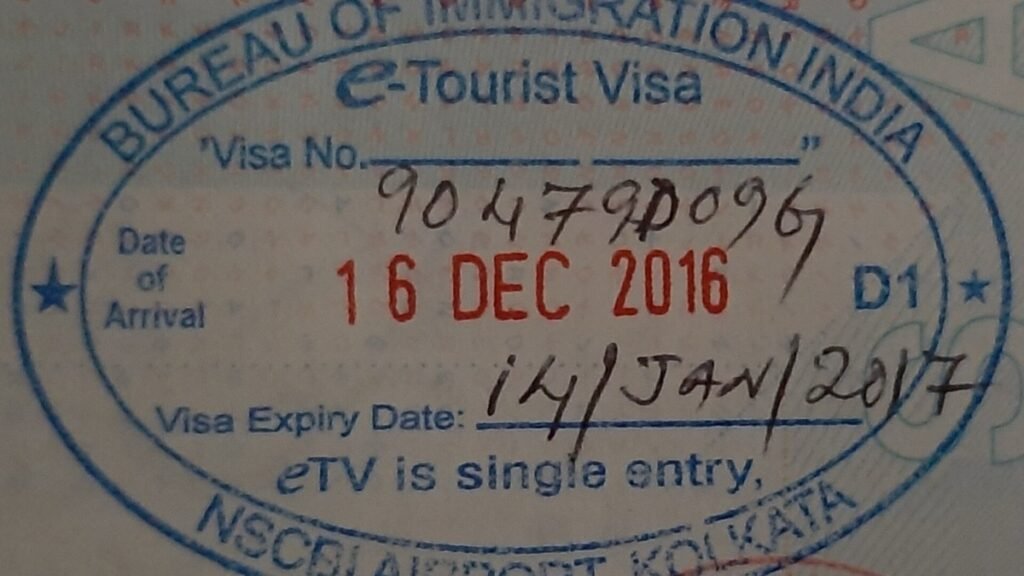
Tourist visa becomes Visitor Visa
The Tourist Visa is renamed the Visitor Visa, and it covers more than sightseeing, Gulf News reported on Nov. 11, 2026, citing NDTV. Short business meetings, medical consultations, wellness retreats, yoga programmes and courses in Indian languages, music, arts and crafts all fall under it.
The V-1 visa allows multiple entries over 30 days. The V-2 is for longer stays, with validity of one, five or 10 years depending on eligibility. Mountaineering falls under V-2, with a separate six-month multiple-entry option.
Longer medical visas, simpler student and business routes
Patients will get a one-year multiple-entry visa by default. M-1 covers conventional treatment, and M-3 covers AYUSH, India’s traditional medicine systems. Attendants travelling with patients use separate M-2 and M-4 visas. Gulf News said the change supports the government’s Heal in India initiative.
Student visas are merged into two categories. S-1 covers school, undergraduate and postgraduate study. S-2 covers doctoral research, visiting faculty, internships, exchanges and scientific expeditions. Students admitted through the Study in India portal may qualify for an e-S1 visa valid for up to five years or the length of the course, whichever is shorter.
Business visas split into B-1 and B-2. B-1 covers long-term activity such as setting up industrial or commercial ventures. B-2 covers short-term contract work, conferences, sports, cultural performances, film production and specialised technical jobs, including engineers and IT staff hired by Indian companies.
The nine categories and the wider picture
The nine main categories are Business, Diplomatic, Work, Journalist, Medical, Official, Student, Visitor and Miscellaneous, according to Gulf News. Miscellaneous will include certain people of Indian origin, their families and dependents of long-term visa holders. India currently offers e-visas to nationals of 172 countries, Gulf News reported.
The change matters for travel, business and the wider economy, since easier entry can support tourism and medical spending. Whether it does will depend on how smoothly the system is run. More on how governments compete for visitors is on our World page.
What comes next
The new framework is not live yet. Gulf News reported that it is expected to start by the end of 2026, once the government finishes upgrading its information technology systems. Exact start dates and fees have not been confirmed in the sources Nowbrief has read.
Sources
- Bloomberg: India Simplifies Visa Rules to Draw More Foreign Visitors (Nov. 11, 2026)
- Gulf News: India's new visa rules: Tourist visa replaced, 70% less paperwork (Nov. 11, 2026)
Related, Nov. 13, 2026: Spain held a general strike over housing costs on Nov. 11. See what happened.